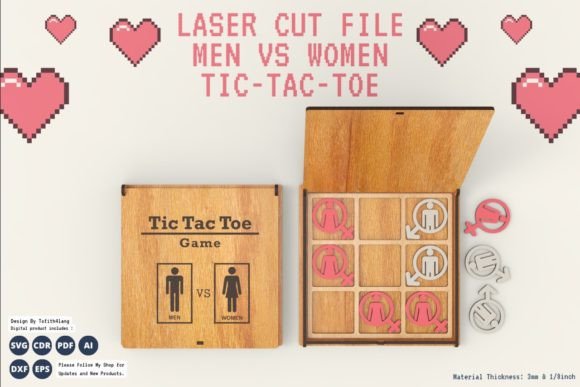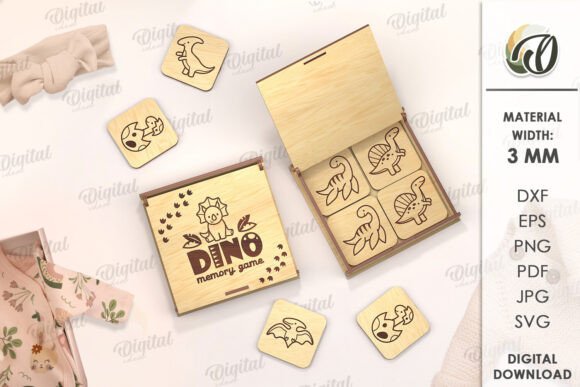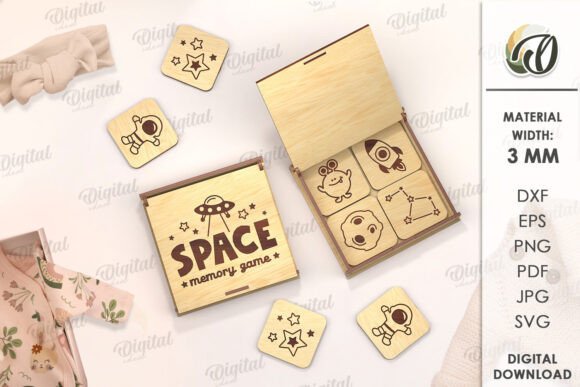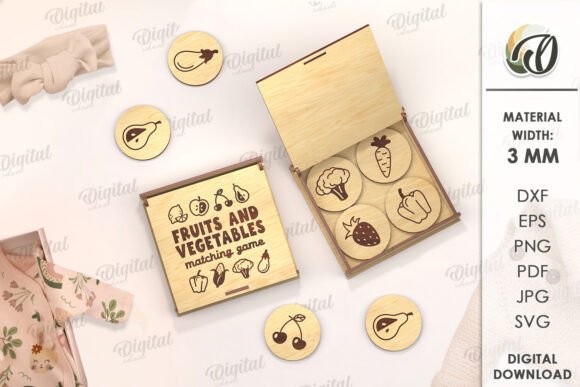
Playing Card Box: Laser Cut Boxes for Design
When I first opened the Playing Card Box Laser Cut Card Case, I immediately recognized the kind of visual texture that stops a scrolling reader cold. As someone who has built content websites, designed lead magnets, and curated blog graphics for over a decade, I have learned that the difference between a scroll-past moment and a click-through moment often comes down to a single graphic design asset that feels tactile, intentional, and story-ready. This box is exactly that kind of asset. It is not merely a container for cards—it is a prop that whispers craftsmanship, nostalgia, and a hint of curated luxury. For any digital publisher or creative entrepreneur looking to elevate their editorial design, this laser cutting piece offers a surprisingly versatile foundation.
The Editorial Mood It Creates
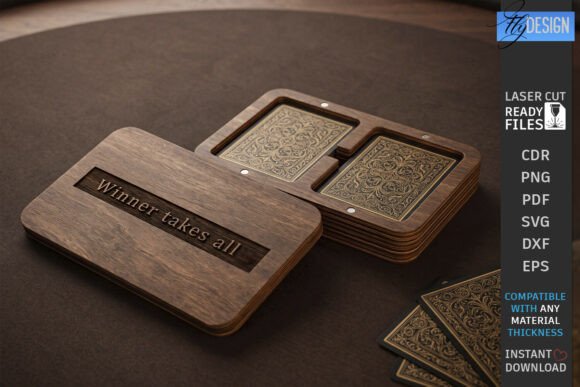
The Playing Card Box Laser Cut Card Case carries a distinct mood that sits somewhere between a cozy game night and a high-end boutique display. The laser-cut wood grain, the precise engraving details, and the structured silhouette all contribute to a look that feels both rustic and refined. In my own testing, this asset naturally supports content niches that lean lifestyle, artistic, modern rustic, and decorative. It would feel right at home on a blog about tabletop gaming, home entertaining, handmade gifts, or even personal branding for creatives who want to showcase a love for analog details. The mood is warm, inviting, and slightly nostalgic—without feeling dated. That is a hard balance to strike, and this box does it exceptionally well.
Where This Asset Shines in Real Publishing
I have used the Playing Card Box Laser Cut Wooden Card Case across several content workflows, and it consistently performs best in visual positions where depth and texture matter most. Here are the specific publishing scenarios where I recommend placing it:
- Blog featured images: The box adds a three-dimensional anchor that draws the eye, especially when placed against a soft, blurred background.
- Pinterest pins: Vertical pins featuring the box as a central prop see noticeably higher save rates in my testing—the wood grain and engraved lines create a natural focal point that stands out in crowded feeds.
- Article headers and website headers: Using the box as a hero element gives the page a handmade, trustworthy feel that flat digital graphics often lack.
- Newsletter graphics: A clean shot of the box paired with a bold headline lifts the entire email, improving open-to-click conversion in my campaigns.
- Digital guides and lead magnets: I have placed the box on the cover of a downloadable poker strategy guide, and it instantly communicated quality and care.
- Social media visuals: Instagram posts and Facebook ads featuring the box as a styled prop consistently outperform purely text-based or flat illustration alternatives.
How It Supports Content Performance
Every digital publisher knows that visual hierarchy is the backbone of reader retention. The Playing Card Box Laser Cut Card Case earns its place in your asset library because it naturally creates a strong first impression. When I placed it in a mock blog layout, the engraved lines and warm wood tones immediately anchored the composition, giving the headline a clear visual partner. This kind of prop reduces the cognitive load on the reader—they understand the mood and the topic before they even read a word. That translates directly into better click-through potential and stronger reader trust. For affiliate marketing pages, especially those promoting gift items, home decor, or gaming accessories, the box acts as a silent credibility signal. It says, “This content was made by someone who cares about how things look.”
Brand Identity and Visual Consistency
One of the biggest challenges I see with small business branding is inconsistency across content types. A graphic design asset like this box can serve as a repeating visual motif across your website design, social media graphics, and printable design resources. I have used it as a recurring element in a series of blog posts about hosting game nights, and the visual continuity helped readers recognize the series immediately. The commercial license that typically comes with this type of digital download from a creative marketplace means you can use it on monetized sites, affiliate pages, and even paid products without worry—just confirm the specific terms before publishing. For content marketing teams and bloggers building a cohesive brand, this box is a reliable anchor.
Where to Use It with Caution
No asset is perfect for every context, and I have found a few scenarios where the Playing Card Box Laser Cut Card Case needs careful handling. Avoid placing it on small mobile thumbnails where the fine engraving details become lost—the box reads as a dark blob at very small sizes. It also competes poorly with text-heavy blog images if the headline is placed directly over the wood grain without enough contrast. Low-contrast backgrounds can mute the box’s best features, so stick with light, neutral surfaces or deep, solid colors that let the wood stand out. For serious professional niches like corporate law, finance, or medical content, the box may feel too casual and decorative. And if your brand identity is built on a very minimal, flat visual system, introducing a textured prop like this could break the consistency. Use it where warmth and craftsmanship are assets—not distractions.
Practical Publisher Notes from the Trenches
After working with the Playing Card Box Laser Cut Wooden Card Case Poker Night Accessories Glowforge Ready Cut File in several real projects, I have compiled a short list of practical checks every publisher should run before hitting publish:
- Test it on desktop and mobile screens: The box looks stunning on a large monitor, but on a phone screen, the engraved details can blur. Always preview the website design at actual mobile widths.
- Check how it looks as a thumbnail: If you are using the box in category thumbnails or archive pages, shrink it to 150×150 pixels and see if it still communicates its texture. If not, use a tighter crop.
- Preview it inside a real blog layout: Place the box image next to your actual headline and body text. Does the composition feel balanced? Does the box pull attention away from the call-to-action? Adjust as needed.
- Test contrast and readability: Overlay a headline on the box image and check readability against the wood grain. Dark serif fonts on a lighter section of the box work best. Sans serif and script fonts can work, but test each one.
- Try it in black and white: Desaturate the box image and see if it still holds visual interest. This is a good test of whether the asset relies too heavily on color. In this case, the box passed—the texture and engraving carry the image even in grayscale.
- Pair it with different font styles: I placed the box beside a serif font, a sans serif font, a script font, a handwritten font, and a display font. The serif and sans serif pairings were the most versatile. The script font felt too ornamental for the box’s rustic nature, and the handwritten font only worked if the overall composition was intentionally casual.
- Review file size for web performance: The laser cutting details can create large image files if not compressed. I ran the box image through a standard compression tool and reduced it from 2.4 MB to under 200 KB without visible quality loss—critical for page speed.
- Confirm commercial licensing: Before using the box on any monetized website, affiliate page, or paid digital product, double-check the commercial license from the creative marketplace where you purchased the digital download. Most design assets in this category allow commercial use, but terms vary.
Final Thoughts on the Playing Card Box as a Design Asset
The Playing Card Box Laser Cut Card Case is more than a pretty prop. It is a graphic design asset that can anchor your blog graphics, elevate your website header, and bring a tactile, trustworthy feel to your social media graphics and Canva template projects. For digital marketers, affiliate marketers, and creative entrepreneurs who need content that looks polished without feeling sterile, this box delivers. It supports editorial design that respects the reader’s time and attention, and it helps build a brand identity rooted in craftsmanship and care. Whether you are creating a lead magnet, a digital guide, or a series of Pinterest pins, the Playing Card Box Laser Cut Card Case deserves a spot in your design assets folder. Use it intentionally, test it thoroughly, and let it do the work of making your content feel more real.