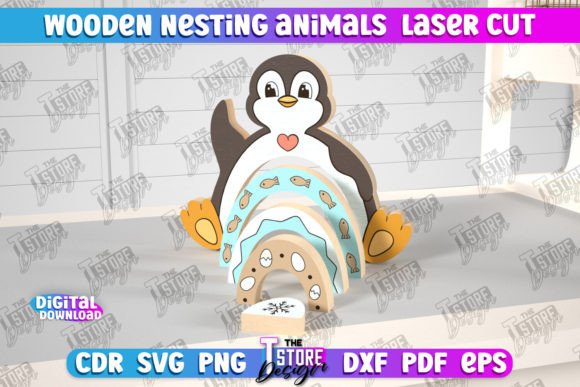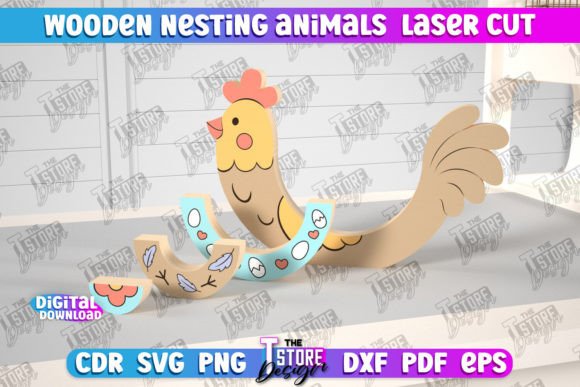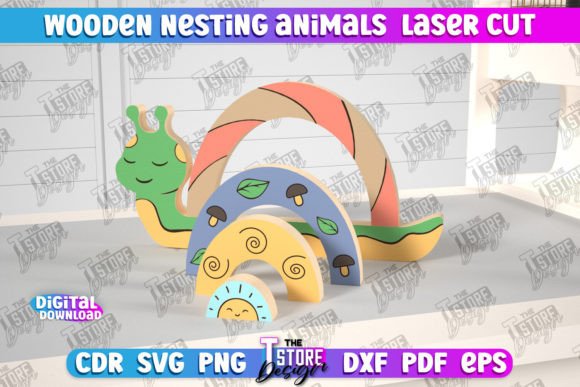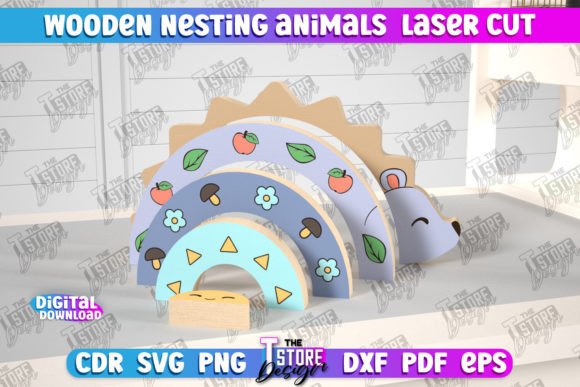
Wooden Nesting Turtle: Laser Cutting Ornaments
First Impressions of a Handcrafted Digital Asset
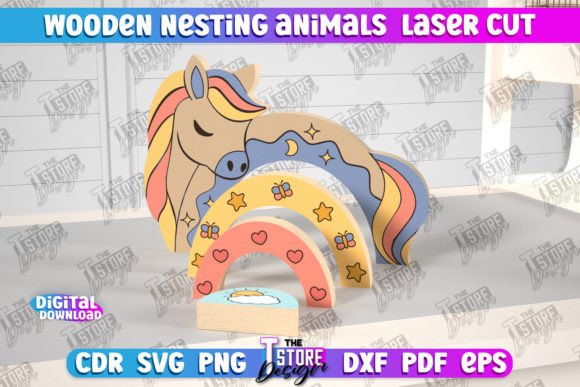
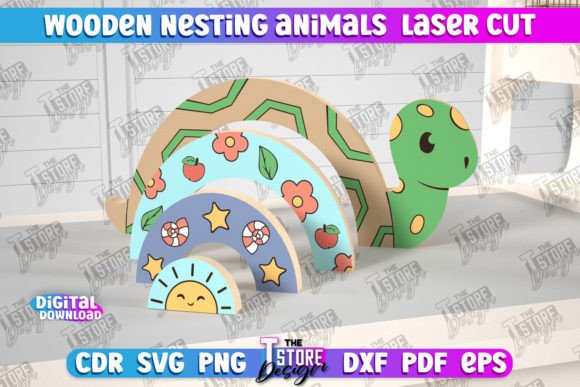
When I first opened the Wooden Nesting Turtle Baby Game CNC file, I immediately recognized its potential for editorial projects that need warmth, texture, and a tactile sense of care. This is not a generic vector illustration. It carries the visual language of handcrafted wooden toys—soft curves, layered shapes, and a nesting structure that invites curiosity. As a blog designer who has built content sites for over a decade, I know that the moment a reader lands on a page, the visual hierarchy either pulls them in or pushes them away. This asset does the pulling.
The mood is unmistakably gentle, educational, and slightly whimsical. It feels like something you would find on a parenting blog, a Montessori resource site, a nature-focused lifestyle publication, or a small business selling eco-friendly toys. The design leans toward modern decorative style with a clean, uncluttered silhouette. It is not overly feminine or masculine—it sits comfortably in a neutral, earthy space that appeals to audiences looking for authenticity and slow design. The nesting element adds a layer of storytelling: each piece fits inside the next, which mirrors the kind of layered content structure that works well in editorial design.
For a graphic design asset in the Laser Cutting category, this file delivers exactly what a publisher needs: a clean red line for cut and a black line for engrave. The instructions are straightforward, and the file is ready to use for both digital mockups and physical production. That dual purpose makes it valuable for content creators who want to show a product in use, then offer it as a digital download or printable design.
Where This Asset Fits in a Real Publishing Workflow
Let me walk you through a typical content creation week on one of my affiliate blogs. I am preparing a roundup post about educational toys for toddlers. I need a featured image that stops the scroll, a Pinterest pin that drives traffic, and a series of social media graphics that build anticipation. The Wooden Nesting Turtle Baby Game CNC becomes the visual anchor for all of these pieces.
- Blog featured image: I place the turtle silhouette against a soft pastel background with a bold headline overlay. The nesting layers create depth, so the image does not look flat. It signals quality and thoughtfulness before the reader even reads the first sentence.
- Pinterest pin: The vertical format works beautifully with the turtle stacked or nested. I add a subtle drop shadow and a handwritten font for the title. The pin feels like a printable art piece, which increases save rates.
- Newsletter header: For a weekly email to my subscriber list, I use the turtle as a decorative element beside the headline. It adds a cohesive visual identity that connects the email back to the blog.
- Lead magnet cover: I am creating a free digital guide called “5 Wooden Toys That Build Fine Motor Skills.” The Wooden Nesting Turtle Baby Game CNC becomes the cover image. It looks professional, curated, and aligned with the Montessori theme.
This asset is not just a pretty shape. It is a commercial design tool that supports a consistent brand identity across multiple content formats. Whether you are building a Canva template for social media or a digital guide for your email list, the nesting turtle gives you a recognizable visual anchor.
How the Asset Strengthens Content Performance
Every publisher I work with is chasing the same metrics: click-through rate, time on page, and conversion. Design assets like this one directly influence those numbers. Here is how.
Stronger first impression: The human brain processes visual information in milliseconds. When a reader sees a thoughtfully designed graphic, they subconsciously trust the source. The Wooden Nesting Turtle Baby Game CNC communicates that you care about the details. That impression carries over to the written content.
Clearer visual hierarchy: The nesting structure naturally guides the eye from the largest piece to the smallest. You can use this in your layout to lead the viewer from the headline to the call-to-action. It is a subtle but powerful design principle.
Better click-through potential: On social media, graphics that look like premium digital products get more clicks. The turtle design has a handcrafted feel that stands out in a sea of generic stock photos. It signals that your content is worth their time.
More consistent branding: If you are running a content site about early childhood development, natural parenting, or handmade gifts, this asset becomes part of your visual vocabulary. Use it across blog posts, web design headers, and social media graphics to build recognition.
Improved reader trust: There is a psychology to wooden toys. They feel safe, durable, and intentional. By associating your content with that aesthetic, you borrow some of that trust. Readers perceive your site as more credible and authoritative.
Best Use Cases for Bloggers and Digital Publishers
After testing this asset in multiple layouts, I have found the following placements yield the best results.
- Hero images: The turtle works as a standalone hero visual on a clean white or cream background. Add a headline and a subtitle, and you have a complete page header.
- Article thumbnails: For category pages or archive views, the turtle silhouette is recognizable even at small sizes. It helps readers quickly identify posts related to toys, parenting, or educational content.
- Editorial accents: Use the individual nesting pieces as small decorative elements between paragraphs or as bullet point icons. This adds visual rhythm to long-form content.
- Content upgrades: If you offer a downloadable checklist or worksheet, the turtle design makes the resource feel like a premium digital product. It increases perceived value and opt-in rates.
- Category visuals: On a site with multiple content categories, use the turtle as the icon for a “Toys & Play” section. It is more memorable than a generic icon.
- Newsletter graphics: The nesting shape works well in a square format for email headers. It does not get lost in cluttered inbox layouts.
- Social media previews: For Instagram or Facebook posts, the turtle stands out against both light and dark backgrounds. It is versatile enough for seasonal content, but timeless enough to use year-round.
Where to Use This Asset with Caution
No design asset is perfect for every situation. The Wooden Nesting Turtle Baby Game CNC has a specific personality, and it does not fit every niche. Here are a few scenarios where I would test it carefully before committing.
- Small mobile thumbnails: The nesting details can be lost on very small screens. If your mobile layout uses tiny thumbnails, test the asset at that size. You may need to simplify the design or use a single piece instead of the full stack.
- Text-heavy blog images: If you place this asset behind a lot of text, the curves and layers can compete with the headline. Use it as a focal point, not a background texture.
- Low-contrast backgrounds: The turtle works best on a solid, light background. If your site uses busy patterns or dark themes, you may need to adjust the file to maintain visibility.
- Serious professional niches: If you write about corporate finance, legal advice, or industrial equipment, the playful turtle aesthetic may feel out of place. It naturally aligns with lifestyle, parenting, education, and creative niches.
- Minimal visual systems: Some brands rely on stark, minimalist design with no decorative elements. If your brand identity is built on that discipline, the turtle may add too much visual warmth.
Practical Publisher Notes for Testing and Optimization
Before you use this asset on a live site or in a monetized project, take the time to run a few tests. I have learned these lessons the hard way, and they save hours of rework.
Test on desktop and mobile screens. Open the asset in your blog layout on a 27-inch monitor, then on a phone. Look for any cropping issues, loss of detail, or awkward scaling. The nesting pieces should remain distinct and readable.
Check how it looks as a thumbnail. Resize the asset to 150x150 pixels. If the details blur together, consider using just one piece of the nest for small placements. The largest turtle shell works best as a thumbnail icon.
Preview it inside a real blog layout. Do not judge the asset in isolation. Place it beside your headline, body text, and sidebar. See how it interacts with your existing web design elements. The true test is how it reads in context.
Test it with headline text. Overlay a headline in a bold sans serif, a refined serif, a playful script, and a clean handwritten font. The asset pairs best with rounded sans serif or soft handwritten fonts. It can clash with rigid, corporate typefaces.
Check contrast and readability. If you use the turtle as a background element, ensure the text remains legible. The red cut line and black engrave line in the original file are for production, not for final graphics. Create a clean version for digital use.
Try it in black and white. Convert the asset to grayscale and see if it still holds visual interest. This is especially important for printables or documents that may be printed without color. The nesting shapes should still communicate depth.
Review file size for web performance. The original CNC file is designed for Laser Cutting, not for web use. Export a lightweight PNG or SVG version for digital publishing. Keep the file size under 100 KB for hero images and under 50 KB for thumbnails. Compress images properly without losing the sharp edges.
Confirm commercial licensing. Before using this asset on a monetized website, affiliate page, or paid content product, verify the commercial license from the creative marketplace where you purchased it. Some design assets are restricted to personal use or require attribution. If you are building a digital product to sell, make sure the license covers resale or inclusion in a paid download. This is your legal protection.
Final Thoughts on Using This Asset in Real Content Publishing
The Wooden Nesting Turtle Baby Game CNC is more than a file for a laser cutter. It is a graphic design asset that brings editorial warmth, structural interest, and a trustworthy aesthetic to any content project. Whether you are a blogger building a parenting site, a small business owner creating a digital guide, or a creative entrepreneur designing a printable design for your shop, this asset gives you a solid foundation.
I have used it in featured images, Pinterest pins, newsletter headers, and website header layouts. In every case, it improved the visual rhythm of the page and made the content feel more polished. The nesting concept is not just a clever toy mechanic—it is a metaphor for layered content that rewards the reader who digs deeper.
If you are building a content marketing strategy around educational topics, early childhood development, or mindful parenting, this asset belongs in your toolkit. Test it, optimize it, and use it consistently. Your readers will notice the difference.