Miniature Dollhouse Wooden Puzzle Game D: A Designer’s Review
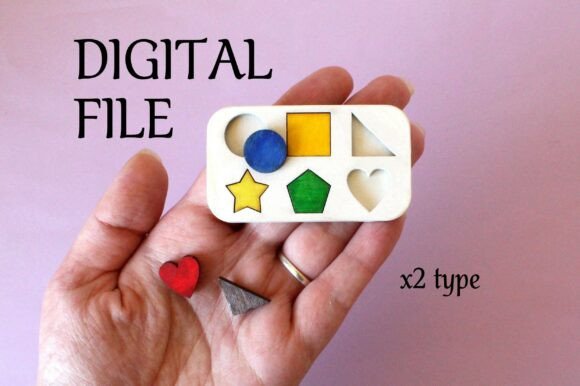
As a graphic designer who regularly evaluates digital products for boutique brand projects, I approach every new asset with a blend of curiosity and skepticism. The Miniature Dollhouse Wooden Puzzle Game D arrived in my downloads folder as a laser cutting file, but it immediately presented itself as far more than a technical blueprint. It’s a narrative seed. Designed for a 1:6 scale, this tiny puzzle set feels like a cherished heirloom from a dollhouse family. The intricate interlocking shapes and scaled-down proportions evoke a strong sense of nostalgia, handmade quality, and meticulous craftsmanship. This isn’t just another entry in the Other Toys Amp category; it’s a potential cornerstone for a brand identity built on heritage, play, and attention to detail.
First Impressions: The Mood of a Tiny Masterpiece
The first thing that strikes me is the emotional pull. The Miniature Dollhouse Wooden Puzzle Game D creates a mood of quiet, focused play. It whispers of a slower, more intentional time. The visual elements—the classic puzzle tabs, the compact game board proportions, and the implied texture of wood from the Laser Cutting process—all work together to create a style that is both whimsical vintage and modern heirloom. For a client like a small business selling miniature DIY kits, this asset immediately signals quality. It tells a story without a single word. The graphic design asset feels complete, yet open enough to be integrated into a larger creative design system.
Strategic Fit: Matching the Asset to the Right Client Project
I am currently reviewing this for a comprehensive brand package for a client called “Tiny Wonder Workshops,” an Etsy-based seller of miniature craft kits. This is the perfect real-case scenario. The digital product needs to function across multiple touchpoints: packaging design for the tiny kit boxes, social media graphics for Instagram and Pinterest, printable design for instruction cards, and even a logo design mark. The geometry of the puzzle pieces lends itself beautifully to a custom brand identity. We can extract a single puzzle knob or interlocking edge to use as a recurring graphic motif. The SVG design allows for infinite scaling, meaning we can use it as a large background element on a product mockup or as a tiny, precise icon on a business card. This asset is a goldmine for small business branding in the maker space.
Versatility in Action: From Brand Identity to Social Media Graphics
This asset performs remarkably well in a variety of real design situations. Let’s break down where it excels and where designers should tread carefully.
Where Miniature Dollhouse Wooden Puzzle Game D Excels
- Large Layouts and Hero Graphics: The intricate detail of the puzzle game shines when it occupies a central, generous space. In editorial design or a blog post about “The Best Toys for Cognitive Development,” this asset makes a stunning hero image. It invites the viewer to look closer.
- Product Mockups and Photography: For print-on-demand sellers, creating a lifestyle shot is crucial. Imagine a flat lay on a rustic wooden table—the miniature puzzle game, partially assembled, surrounded by tiny tools and wood shavings. The shadow play created by the laser cut details adds a level of depth that standard clipart cannot match.
- Themed Collections and Campaigns: If you are building a design bundle for a miniature, dollhouse, or vintage toy campaign, this asset is a centerpiece. It anchors the entire visual theme.
- Cricut Projects and Sublimation Design: The SVG design is likely well-structured for cutting and scoring. For Cricut users, this means clean, precise cuts on basswood or chipboard. For sublimation design, printing this onto a wooden coaster or a fabric tote bag creates a high-value, artisan product.
- Packaging Details: The asset works beautifully as a debossed pattern on a packaging design or as a printed insert. It elevates the unboxing experience from simple to memorable.
Where Designers Should Exercise Caution
- Extremely Small Sizes: This is a critical point. If you shrink the Miniature Dollhouse Wooden Puzzle Game D down to fit a standard 3.5x2 inch business card, the intricate details—the individual puzzle tabs and internal cutouts—will likely become muddled, especially in a rasterized PNG design. It is best utilized as a medium-to-large element in your layout.
- Minimalist or Ultra-Clean Corporate Branding: If your client is a fintech startup or a law firm, this asset is a hard no. Its inherent whimsy and nostalgia clash with strict, modern professionalism. It belongs in the handmade business, creative marketplace, and boutique product world.
- Overcrowded Layouts: The asset has a strong silhouette and intricate internal lines. It needs breathing room. Placing it on a busy, patterned background will kill the visual hierarchy and make the design feel chaotic. Use solid, contrasting backgrounds.
- Low-Contrast Backgrounds: Because the asset is designed to look like wood, placing it on a beige or light tan background will cause it to disappear. It needs high contrast—a solid pastel, a deep jewel tone, or a dark wood grain works best to make the laser cut details pop.
The Designer’s Technical Checklist: SVG, Scale, and Licensing
Before I ever send a file to a client, I put it through a rigorous technical review. Here is my checklist for the Miniature Dollhouse Wooden Puzzle Game D.
File Formats: I always check for a robust file set. For a Cricut project, a clean SVG design with separated score and cut lines is essential. For a Canva template or web design, a high-resolution PNG design with a transparent background is required. If the download includes a DXF or AI file, that is a strong sign of a professional creative design asset.
Black and White Test: I convert the asset to grayscale. Does it retain its visual interest? Yes. The puzzle structure is inherently graphic and geometric. It holds up well even without color.
Scale and Preview Testing: I test the asset at 100% (the intended 1:6 dollhouse scale) and then enlarged to 300% or 500% for use as a t-shirt design or sticker design. The vector paths should remain crisp. I look for any sharp corners that might cause issues in laser cutting or vinyl weeding.
Typography Pairing: I test the asset with different font styles to see how it interacts. A classic serif font (like Playfair Display) amplifies the vintage toy store feel. A clean sans-serif (like Montserrat) creates a lovely modern contrast. A handwritten font or script font adds a layer of whimsical, personal touch that works well for social media graphics and marketing visuals. The asset is versatile enough to support all these styles.
Commercial License Verification: This is the most crucial step. The product description states “Only downloadable files are for sale. NO PHYSICAL g” (items). This means I am purchasing the rights to use the digital file. For a client project, I must verify the commercial license terms. Does it allow for the production of physical items for sale? Does it cap the number of units? The Other Toys Amp category can sometimes have specific restrictions regarding safety and production. I always factor this into my client contracts. Proper licensing is a sign of respect for the design assets creator and protects the small business branding we are building.
The Impact on Visual Hierarchy and Brand Professionalism
Using a high-quality, specific asset like this one signals to your audience that you are a professional. It elevates a small business from “homemade” to “handcrafted by an artisan.” For a print-on-demand seller, using a generic, overused clipart can cheapen the brand. Using a detailed, unique illustration like the Miniature Dollhouse Wooden Puzzle Game D adds layers of storytelling. It implies problem-solving, family time, and cognitive development. It enhances brand consistency and builds visual trust with the customer. The emotional appeal is high. When a customer sees this level of detail on a product label or a social media post, they perceive higher value and are more likely to engage.
It also helps with audience engagement. This asset is a conversation starter. People love to look at miniature things. It naturally draws the eye and encourages comments and shares on platforms like Instagram and Pinterest. For a content creator or blogger, it is a powerful tool for stopping the scroll.
Final Verdict for the Real Client Project
Does the Miniature Dollhouse Wooden Puzzle Game D pass the professional test for a real client project? Absolutely, but with the specific context of the handmade business, creative marketplace, and boutique toy niche. For my client, “Tiny Wonder Workshops,” this is a perfect fit. It will serve as the visual anchor for their brand identity, packaging design, and marketing visuals.
My final advice to any designer, print-on-demand seller, or small business owner is to understand the scale and the story. Use it large. Give it contrast. Respect the commercial license. And let the inherent nostalgia of the design do the heavy lifting. This is a graphic design asset that feels made for storytelling. It is a welcome addition to any design bundle focused on quality, detail, and a love for the handmade. It is a smart, professional choice for a specific, passionate audience. I am happy to give it my approval for the project.