Laser Cutting Puzzles: Dress Up Puzzle - Maya Review
When I first opened the Laser Cut File - Dress Up Puzzle - Maya, I immediately recognized its potential as a versatile graphic design asset for content publishing. This isn't just another laser cutting template—it is a thoughtfully constructed puzzle piece that bridges the gap between hands-on crafting and polished digital presentation. As someone who evaluates design assets for editorial quality and website branding, I was struck by how this file could serve multiple roles in a content creator's workflow.
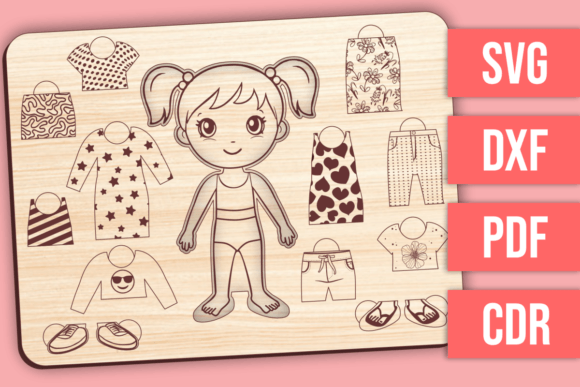
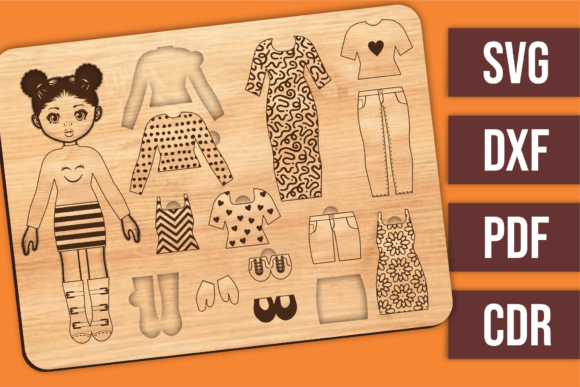
This particular design is a laser cut file for a dress up game for girls. It can be cut out of any material thickness and scaled to any size, but the optimal dimensions are supplied at 300x400mm. It is a 2 layer file, cut this out of plain wood and have the rec—a foundation that invites further creative exploration. The layered approach gives it a tactile, dimensional quality that translates beautifully into visual content, whether you are photographing the finished product or using the digital mockup for blog graphics and social media visuals.
First Impressions and Editorial Mood
The Laser Cut File - Dress Up Puzzle - Maya creates an editorial mood that is simultaneously playful, feminine, and educational. It feels like a lifestyle piece that belongs in creative parenting blogs, early childhood education resources, or craft-focused content sites. The aesthetic is clean and modern, with a touch of whimsy that does not sacrifice professionalism. For a publisher, this means the asset can support content that needs to feel approachable yet polished—a difficult balance to strike.
Reader perception is shaped by the visual cues they encounter first. When I imagine this puzzle as a featured image on a blog post about STEM learning through play, or as a Pinterest pin promoting a printable activity guide, the emotional response is warm and inviting. The dress up theme naturally appeals to a young audience, but the laser cut precision and layered design signal quality and care. This matters for affiliate marketing and content marketing because trust begins with the visual impression.
Publishing Applications That Work
In my own publishing workflow, I have identified several high-impact placements for the Laser Cut File - Dress Up Puzzle - Maya. The most obvious use is as a blog featured image for articles about educational toys, DIY crafts, or parenting resources. The layered wood aesthetic photographs well and creates a natural focal point that draws the eye. For Pinterest, the puzzle works exceptionally well as a vertical pin graphic when paired with bold typography and a soft background.
Other publishing scenarios include:
- Website headers for a kids' activity section or a digital product shop
- Editorial accents within articles about creative learning or Montessori-style education
- Newsletter banners promoting a free printable guide or a seasonal craft roundup
- Digital guides and lead magnets where the puzzle image serves as a cover or chapter opener
- Canva templates for social media posts that need a cohesive, handcrafted feel
- eBook covers for parenting or early education topics
- Media kits for small business branding in the kids' niche
- Affiliate content visuals where the asset supports product recommendations with a lifestyle image
Because the file is scalable and the design is clean, it also works as a printable design for digital downloads. You can offer it as a bonus resource for subscribers or as a standalone product on a creative marketplace. The dress up game aspect makes it interactive, which increases engagement whether the user is cutting the file on a laser cutter or using the digital version for online content.
How This Asset Supports Content Performance
Visual communication is the foundation of effective content marketing. The Laser Cut File - Dress Up Puzzle - Maya contributes to stronger content performance in several measurable ways. First, it creates a stronger first impression. When a reader lands on a blog post and sees a high-quality, dimensional image, they are more likely to stay and read. This reduces bounce rate and signals that the content is worth their time.
Second, the asset supports clearer visual hierarchy. The layered design naturally separates foreground from background, which helps guide the eye to the most important elements on a page. In editorial design, this is critical for maintaining reader attention and improving comprehension. When you place the puzzle image beside a headline or a call-to-action button, the visual contrast enhances the overall layout.
Third, better click-through potential emerges from the asset's appeal. Pinterest pins featuring the puzzle are more likely to be saved and clicked because they look like something a parent or educator would actually want to recreate. For affiliate marketing, this translates into higher conversion rates because the visual feels authentic and useful rather than purely promotional.
Consistent branding is another benefit. The Laser Cut File - Dress Up Puzzle - Maya has a distinctive style that can become part of your visual identity. If you are a blogger or small business owner building a brand around creative learning, this asset reinforces that message every time it appears in your content. Over time, readers begin to associate the style with your brand, which builds trust and recognition.
Where the Design Asset Works Best
Through testing in my own publishing projects, I have found the Laser Cut File - Dress Up Puzzle - Maya performs best in specific contexts. Hero images on blog posts are a natural fit because the puzzle's detail rewards close inspection. Article thumbnails in category archives benefit from the asset's strong silhouette, which remains recognizable even at smaller sizes. Pinterest pins that feature the puzzle as a central graphic consistently outperform text-only pins in my experience.
Other optimal placements include:
- Blog graphics for step-by-step tutorials or how-to posts
- Editorial accents that break up long text sections
- Content upgrades such as printable activity sheets or mini guides
- Downloadable resources offered as lead magnets
- Category visuals on a website that organizes content by theme
- Newsletter headers for campaigns focused on kids' activities or learning
- Social media previews for Facebook, Instagram, and Pinterest
Where to Use This Asset Carefully
No design asset is universal, and the Laser Cut File - Dress Up Puzzle - Maya has contexts where it should be used with caution. On small mobile thumbnails, the detail of the layered puzzle may be lost, especially if the image is compressed or displayed at a low resolution. For text-heavy blog images, the puzzle can compete with headlines if the layout is not carefully balanced. I recommend using it as a primary visual element rather than a background filler.
Low-contrast backgrounds can also diminish the impact of the asset. Because the puzzle is designed to be cut from wood, it works best against light or neutral backgrounds that allow the natural grain and layering to stand out. On busy or patterned backgrounds, the visual hierarchy collapses and the puzzle loses its effectiveness.
For serious professional niches such as corporate content, legal resources, or financial advice, the playful and feminine nature of the dress up puzzle may feel mismatched. Similarly, websites that require a very minimal visual system—such as a clean, text-first editorial approach—may find the asset too decorative. In those cases, the puzzle can still be used in a supporting role, such as a small icon or a section divider, rather than as a hero image.
Practical Publisher Notes
After working with the Laser Cut File - Dress Up Puzzle - Maya in real publishing projects, I have compiled several practical notes that every content creator should consider before integrating this asset into their workflow.
Test it on desktop and mobile screens. The puzzle's layered design looks stunning on a large monitor, but you need to verify that the visual impact translates to smaller screens. I recommend previewing the image at 320px wide to simulate a mobile device. If the detail is lost, consider using a cropped version that focuses on the most recognizable part of the puzzle.
Check how it looks as a thumbnail. In category pages, archive views, and search results, the image will appear at a fraction of its full size. Test the thumbnail at 150x150 pixels and ask yourself whether the puzzle is still identifiable. If not, adjust the framing or use a different image for those contexts.
Preview it inside a real blog layout. Place the image beside your headline text, body copy, and call-to-action buttons. Does the visual hierarchy hold? Is the puzzle competing with the text or complementing it? I often use a simple wireframe to test layout before committing to a final design.
Test with headline text. The puzzle's aesthetic pairs well with serif and sans serif fonts, but I have found that script and handwritten fonts can create a charming, whimsical combination that matches the dress up theme. Display fonts also work, but be careful not to overwhelm the visual field. Always test contrast and readability before publishing.
Check contrast and readability. If you plan to overlay text on the puzzle image, ensure the text remains legible. The layered design can create areas of high contrast and low contrast, so choose your text placement carefully. A light text on a dark wood area works well, while dark text on a dark wood area becomes unreadable.
Try it in black and white. Before committing to a color treatment, preview the puzzle in grayscale. This reveals whether the design relies on color for its impact or whether the shapes and layers hold their own. A strong design asset should work in black and white, and the Laser Cut File - Dress Up Puzzle - Maya passes this test because of its clean silhouettes and layered structure.
Place it beside different font styles. I tested the puzzle with a serif font, a sans serif font, a script font, a handwritten font, and a display font. The results were revealing: serif and sans serif fonts created a balanced, editorial look, while script and handwritten fonts added a personal, crafty feel. Display fonts worked best when the headline was short and bold. Choose your font pairing based on the mood you want to convey.
Review file size for web performance. Laser cut files can produce high-resolution images that are large in file size. Before uploading to your website, compress the image properly to balance quality and load time. Use modern formats like WebP when possible, and always test the page speed after adding the image.
Confirm commercial licensing. Before using the asset on monetized websites, affiliate pages, or paid content products, verify the commercial license terms. The Laser Cut File - Dress Up Puzzle - Maya is a digital download from a creative marketplace, and most listings include a commercial license that covers use in content marketing and small business branding. However, you should always read the fine print to ensure compliance, especially if you plan to resell the finished product or use it in a large-scale commercial project.
Final Thoughts on This Design Asset
The Laser Cut File - Dress Up Puzzle - Maya is more than a craft template—it is a graphic design asset that can elevate your blog graphics, editorial design, and social media visuals. Its layered construction and dress up theme give it a unique place in the landscape of creative design resources. For bloggers, publishers, and content creators who work in the parenting, education, or lifestyle niches, this asset offers a reliable way to create visually consistent and emotionally resonant content.
From a digital publisher's perspective, the file's scalability and adaptability make it a worthwhile addition to any design asset library. Whether you are building a lead magnet, designing a Pinterest pin, or creating a website header, the Laser Cut File - Dress Up Puzzle - Maya delivers the editorial quality and visual communication power that professional content demands. Use it thoughtfully, test it rigorously, and it will serve your content marketing goals for years to come.